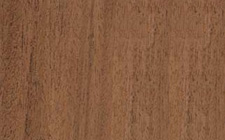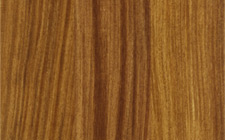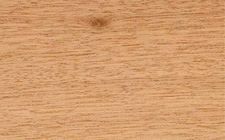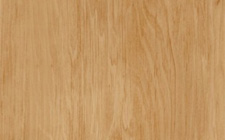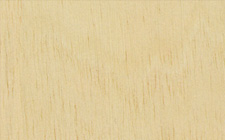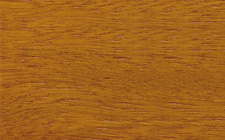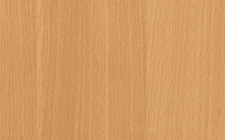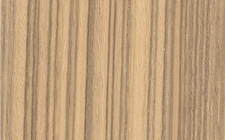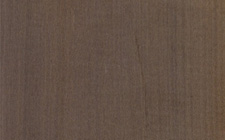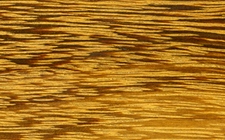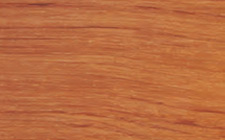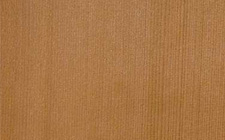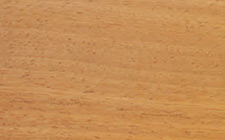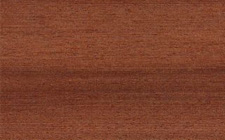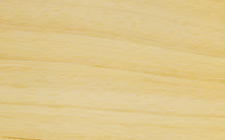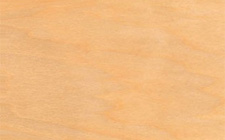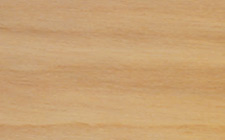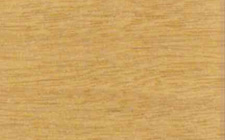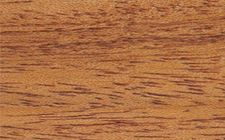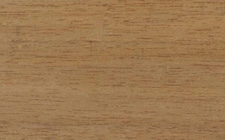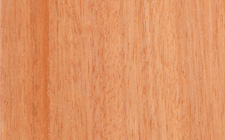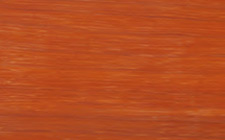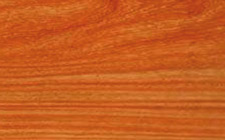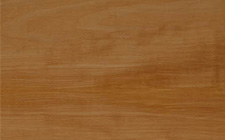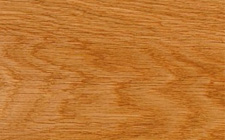
Tiama
Botanical name
Entandrophragma angolense
Origin
Africa
Other names
Acuminata, Abeba, Edinam, Gedu Nohor, Kanga, Vovo, Tiama Mahogani, Livuite, Kilula, Abeubegne, Dongomanguila, Mukusu, Lifaki

WOOD DESCRIPTION
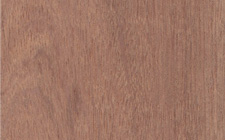
| Color: |
red brown |
| Sapwood: |
clearly demarcated |
| Texture: |
medium |
| Grain: |
interlocked |
| Interlocked grain: |
marked |
| Note: |
Wood red to dark brown, with golden shades. |
PHYSICAL, MECHANICAL AND ACOUSTIC PROPERTIES
|
(*: at 12% moisture content, with 1 MPa = 1 N/mm²) Musical quality factor: 93,7 measured at 2865 Hz |
||||||||||||||||||||||||||||||||||||||||
NATURAL DURABILITY AND TREATABILITY
| Funghi (according to E.N. standards): |
class 3 - moderately durable |
| Dry wood borers: |
durable - sapwood demarcated (risk limited to sapwood) |
| Termites (according to E.N. standards): |
class S - susceptible |
| Treatability (according to E.N. standards): |
class 4 - not permeable |
| Use class ensured by natural durability: |
class 2 - inside or under cover (dampness possible) |
| Species covering the use class 5: |
No |
| Note: |
This species is listed in the European standard NF EN 350-2. |
SAWING, MACHINING AND ASSEMBLING
| Blunting effect: |
normal |
| Sawteeth recommended: |
ordinary or alloy steel |
| Cutting tools: |
ordinary |
| Peeling: |
good |
| Slicing: |
nood |
| Note: | In planing, if the grain is highly interlocked, a 15° cutting angle is necessary to avoid tearing. Tends to burn in mortising. |
| Nailing / screwing: |
good |
| Gluing: |
correct |