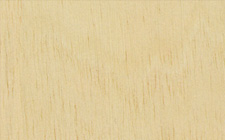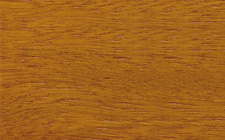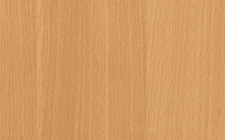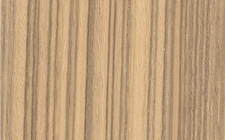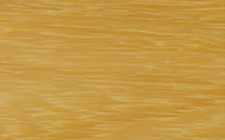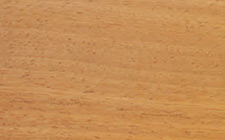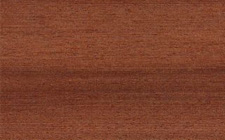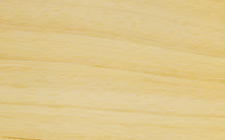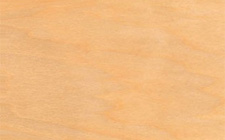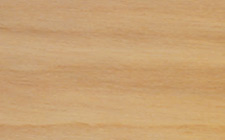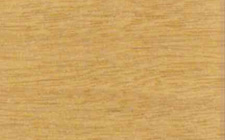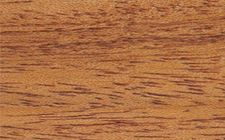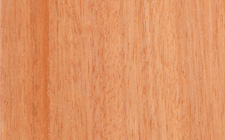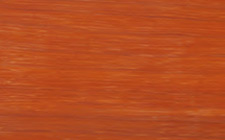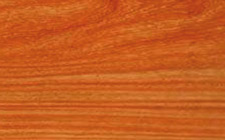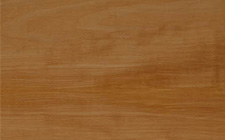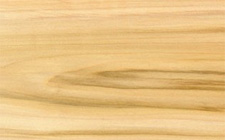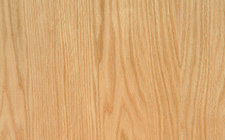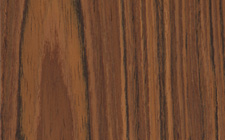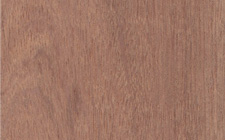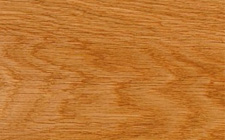
Niove
Botanical name
Staudtia kamerunensis
Origin
Africa
Other names
Menga-Menga, Niove, Oropa, Kamashi, M'bonda, M'boun, Bokapi, Molanga, Susumenga
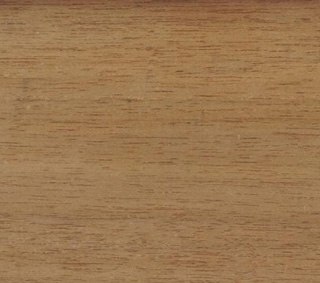
WOOD DESCRIPTION
| Color: |
red brown |
| Sapwood: |
clearly demarcated |
| Texture: |
fine |
| Grain: |
straight |
| Interlocked grain: |
absent |
| Note: |
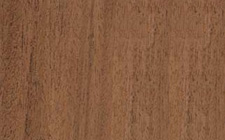
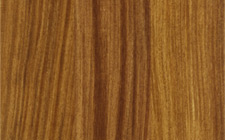
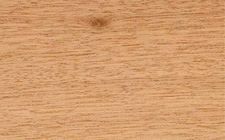
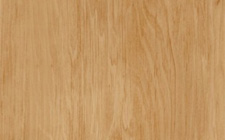
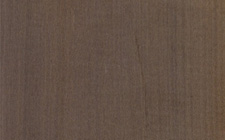
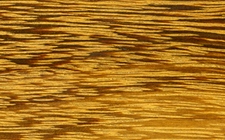
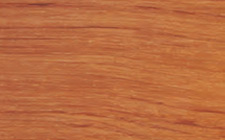
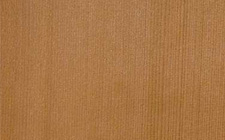
Heartwood orangey yellow brown to red brown with darker veins. Sometimes oily surface. Grain sometimes wavy. |
PHYSICAL, MECHANICAL AND ACOUSTIC PROPERTIES
|
(*: at 12% moisture content, with 1 MPa = 1 N/mm²) Musical quality factor: 118,3 measured at 2354 Hz |
||||||||||||||||||||||||||||||||||||||||
NATURAL DURABILITY AND TREATABILITY
| Funghi (according to E.N. standards): |
class 1 - very durable |
| Dry wood borers: |
durable - sapwood demarcated (risk limited to sapwood) |
| Termites (according to E.N. standards): |
class D - durable |
| Treatability (according to E.N. standards): |
class 4 - not permeable |
| Use class ensured by natural durability: |
class 4 - in ground or fresh water contact |
| Species covering the use class 5: |
No |
| Note: |
Presence of transition wood with a lower durability. According to the European standard NF EN 335, performance length might be modified by the intensity of end-use exposition. |
SAWING, MACHINING AND ASSEMBLING
| Blunting effect: |
fairly high |
| Sawteeth recommended: |
stellite-tipped |
| Cutting tools: |
tungsten carbide |
| Peeling: |
not recommended or without interest |
| Slicing: |
nood |
| Note: | Requires power. |
| Nailing / screwing: |
good but pre-boring necessary |
| Gluing: |
correct |
| Note: |
Tends to split when nailing. |